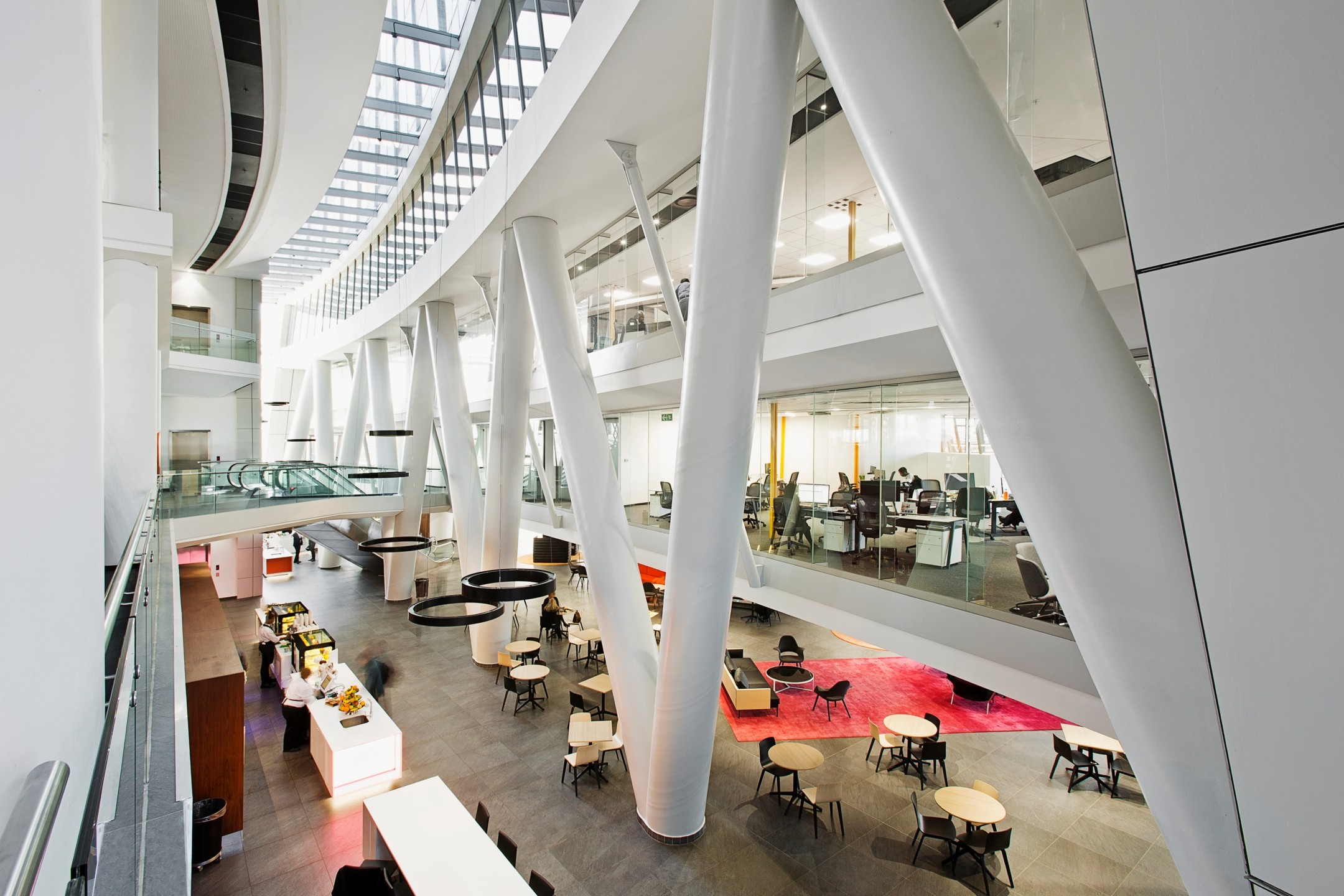
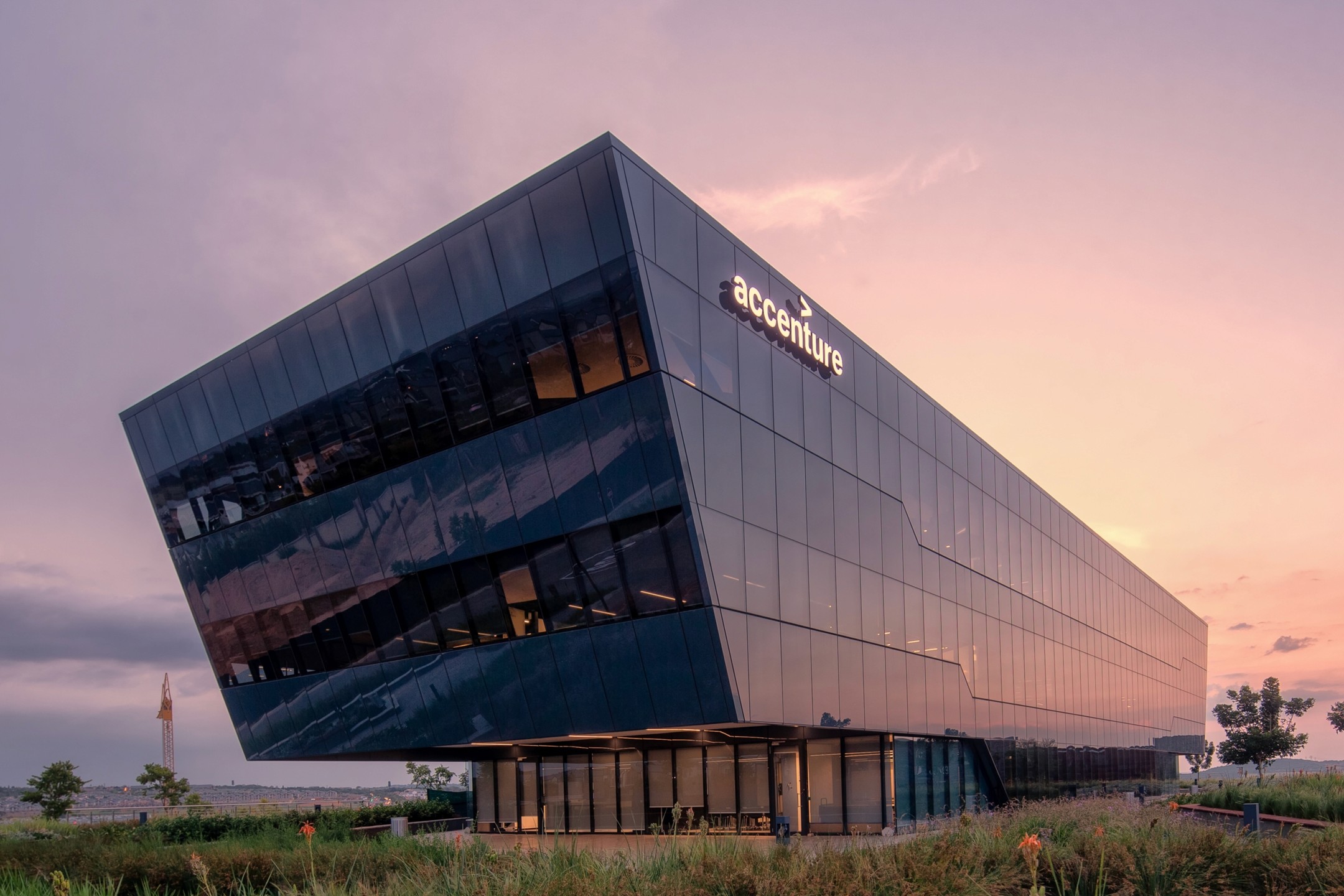
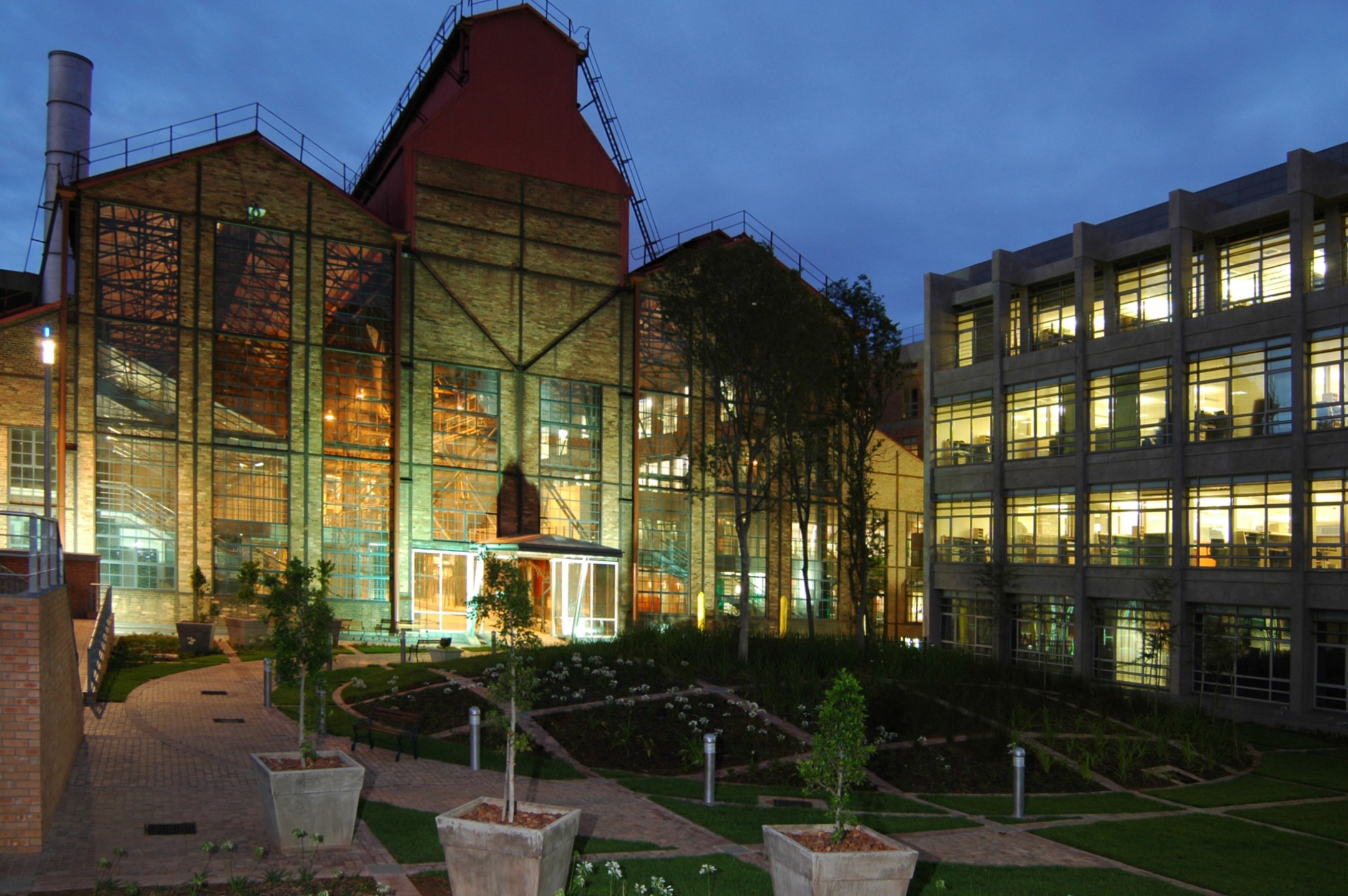
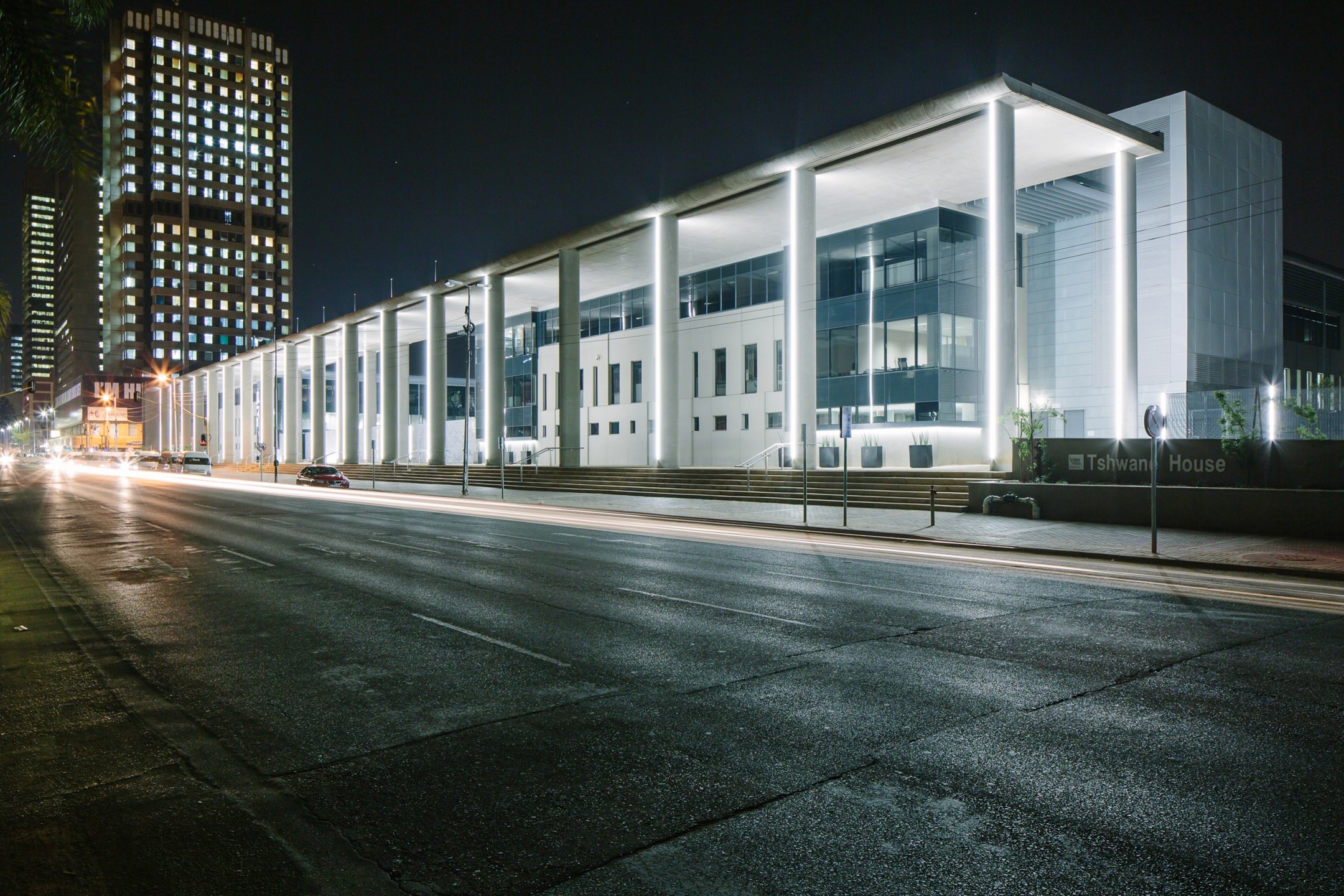
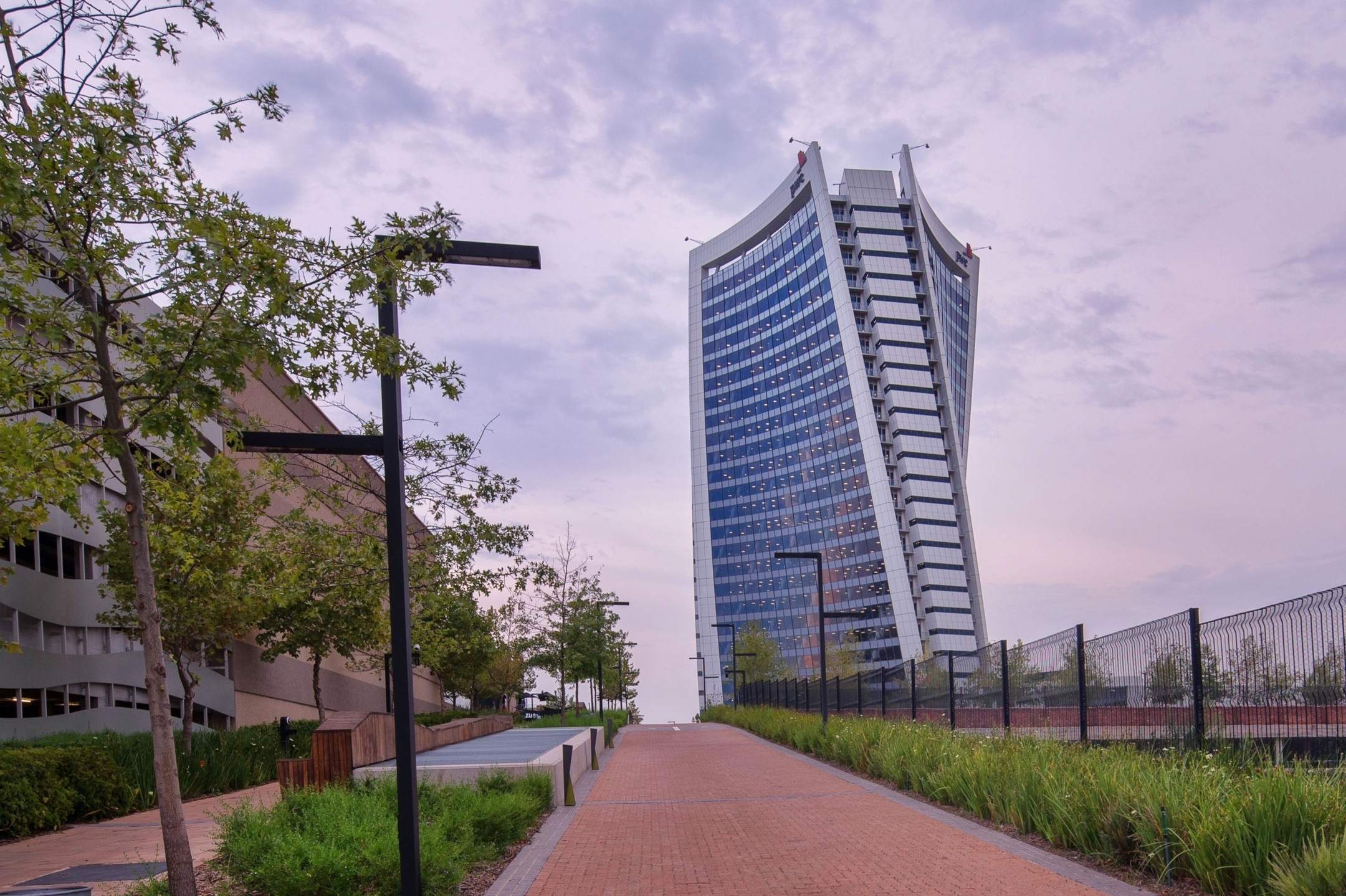
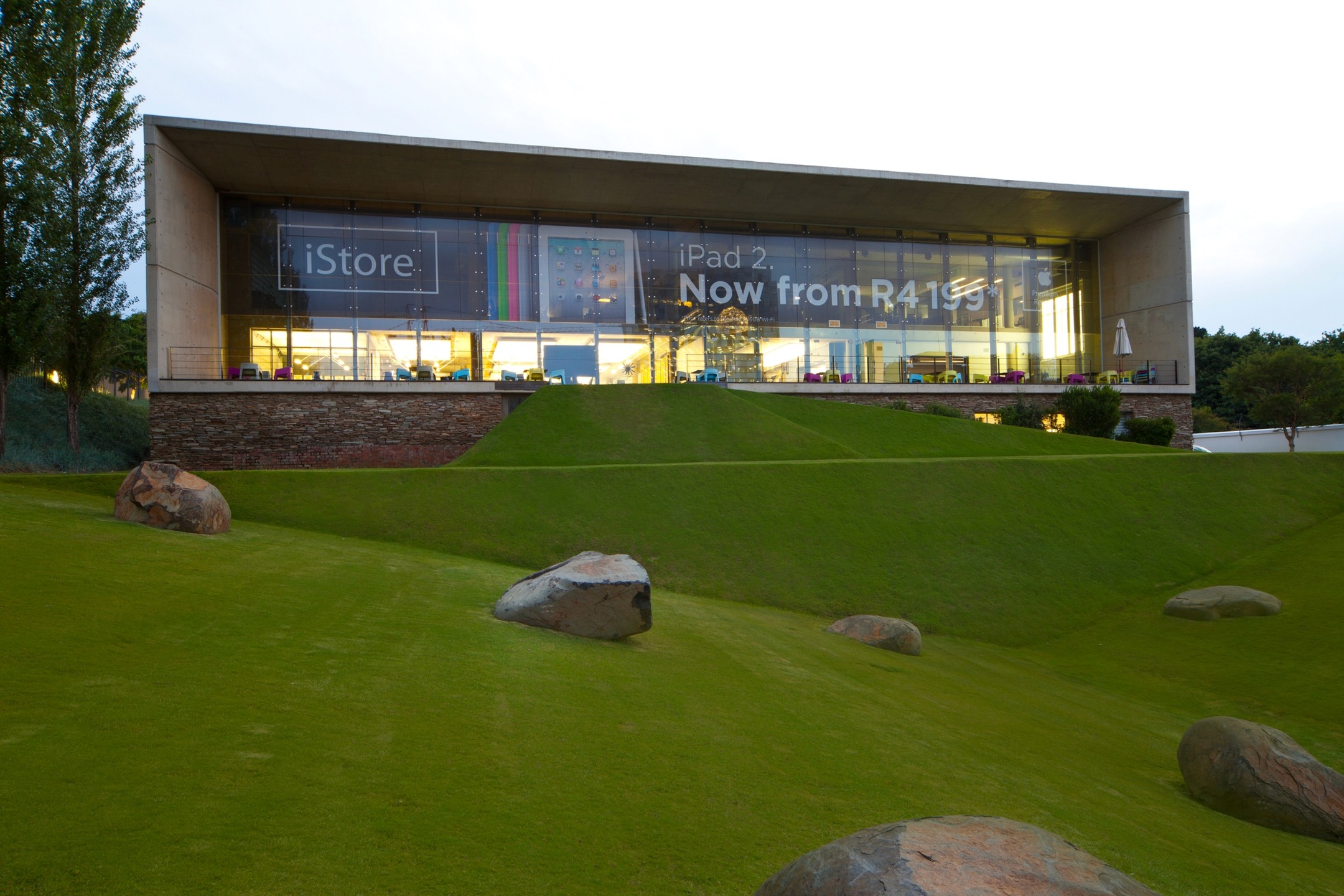
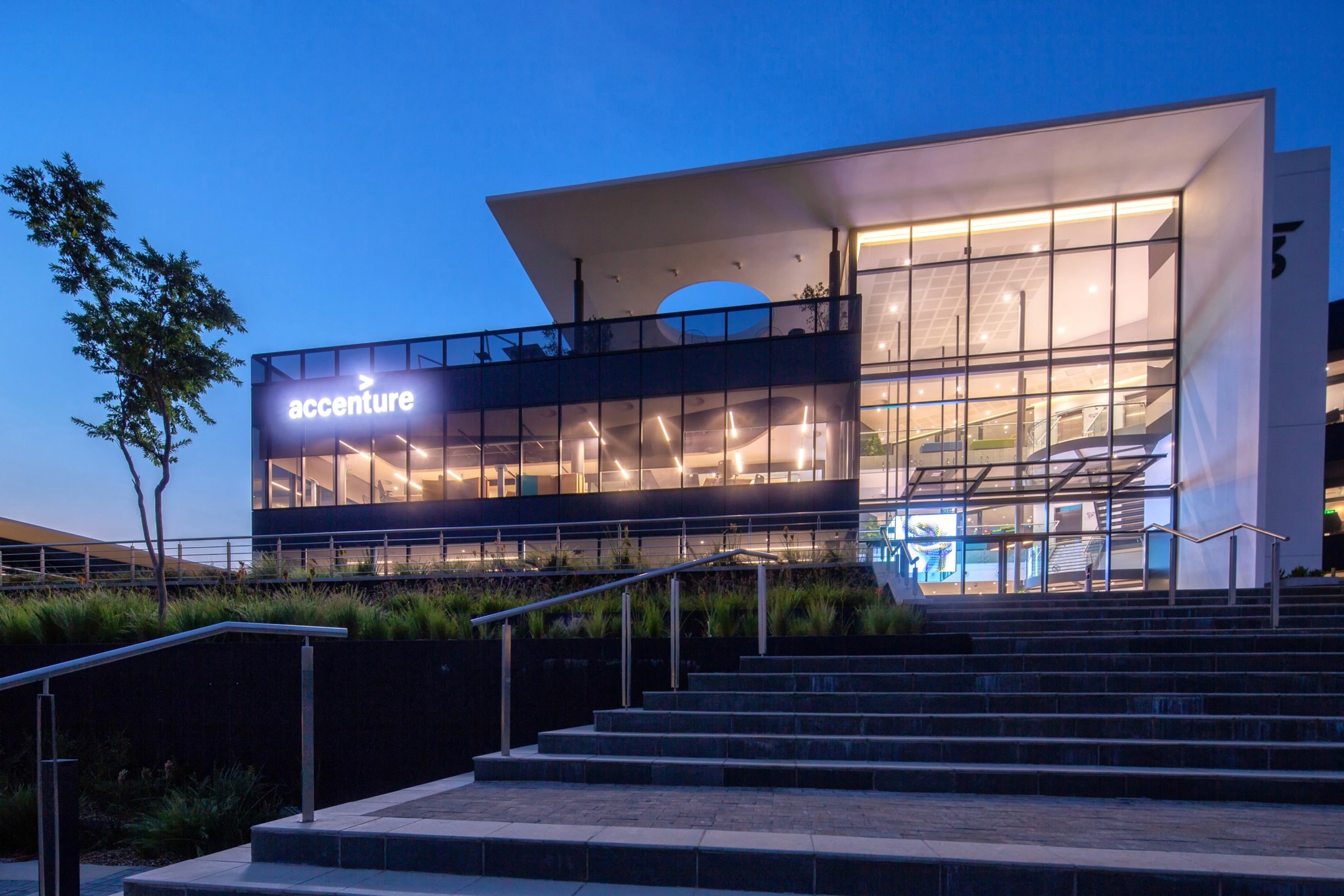
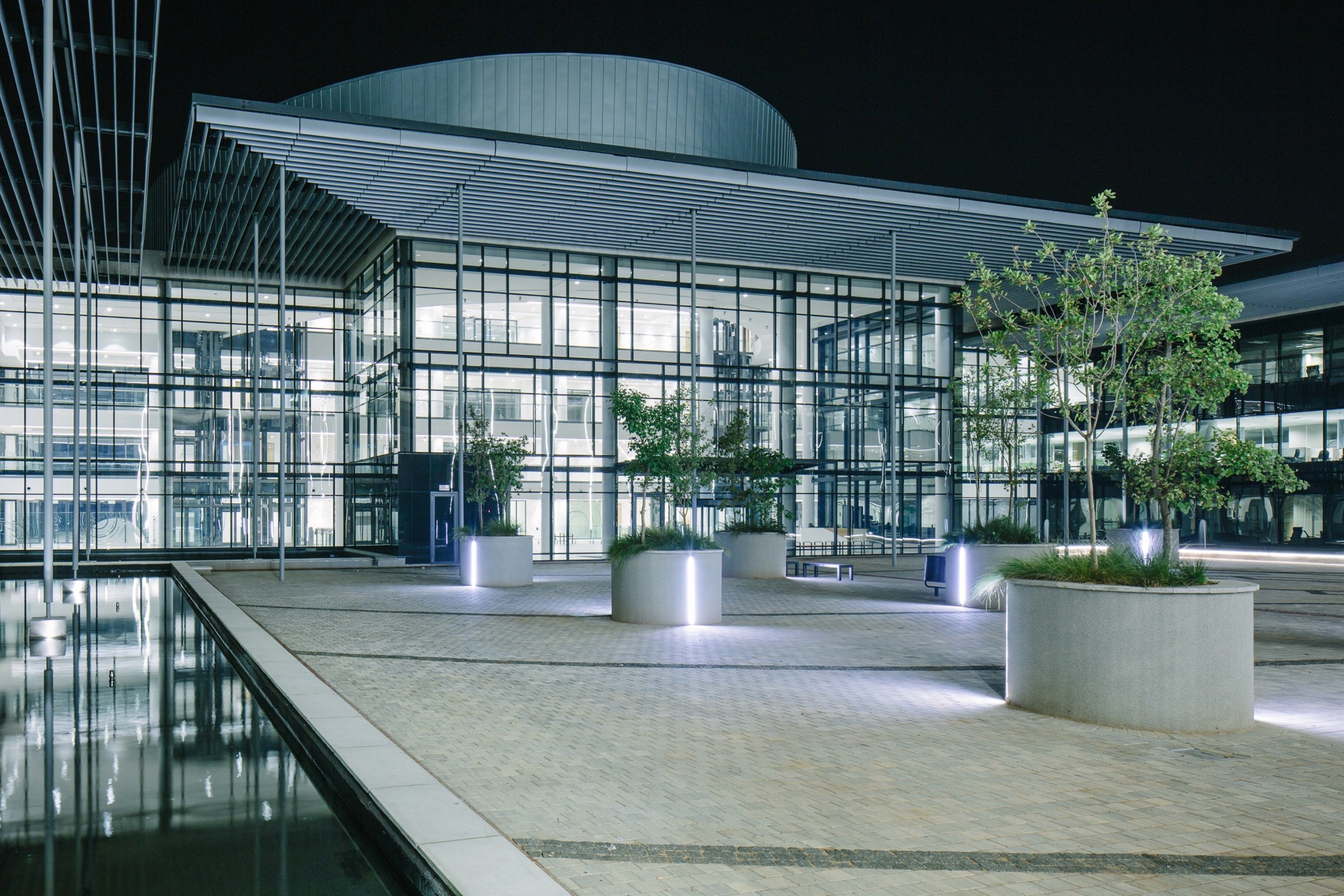
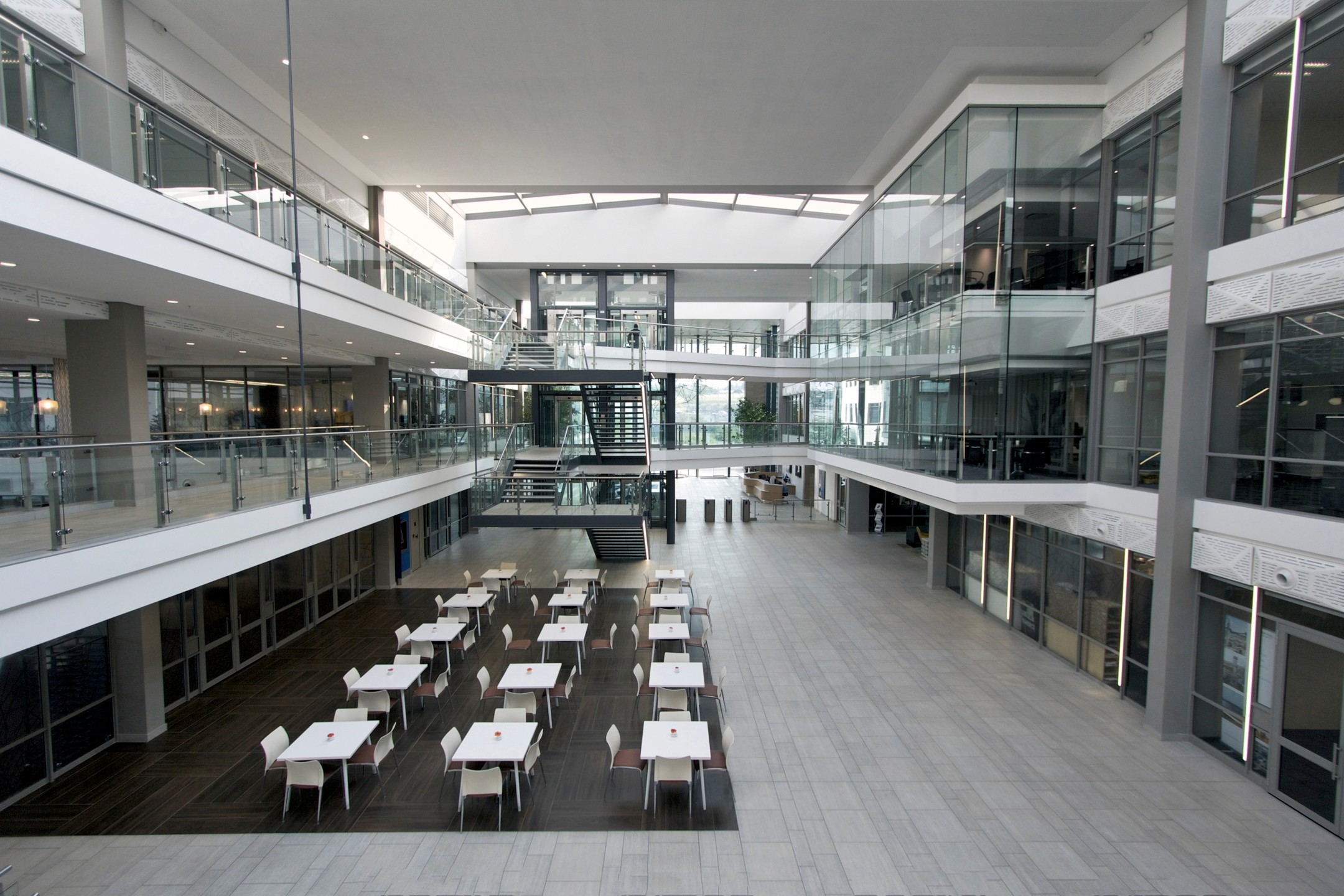
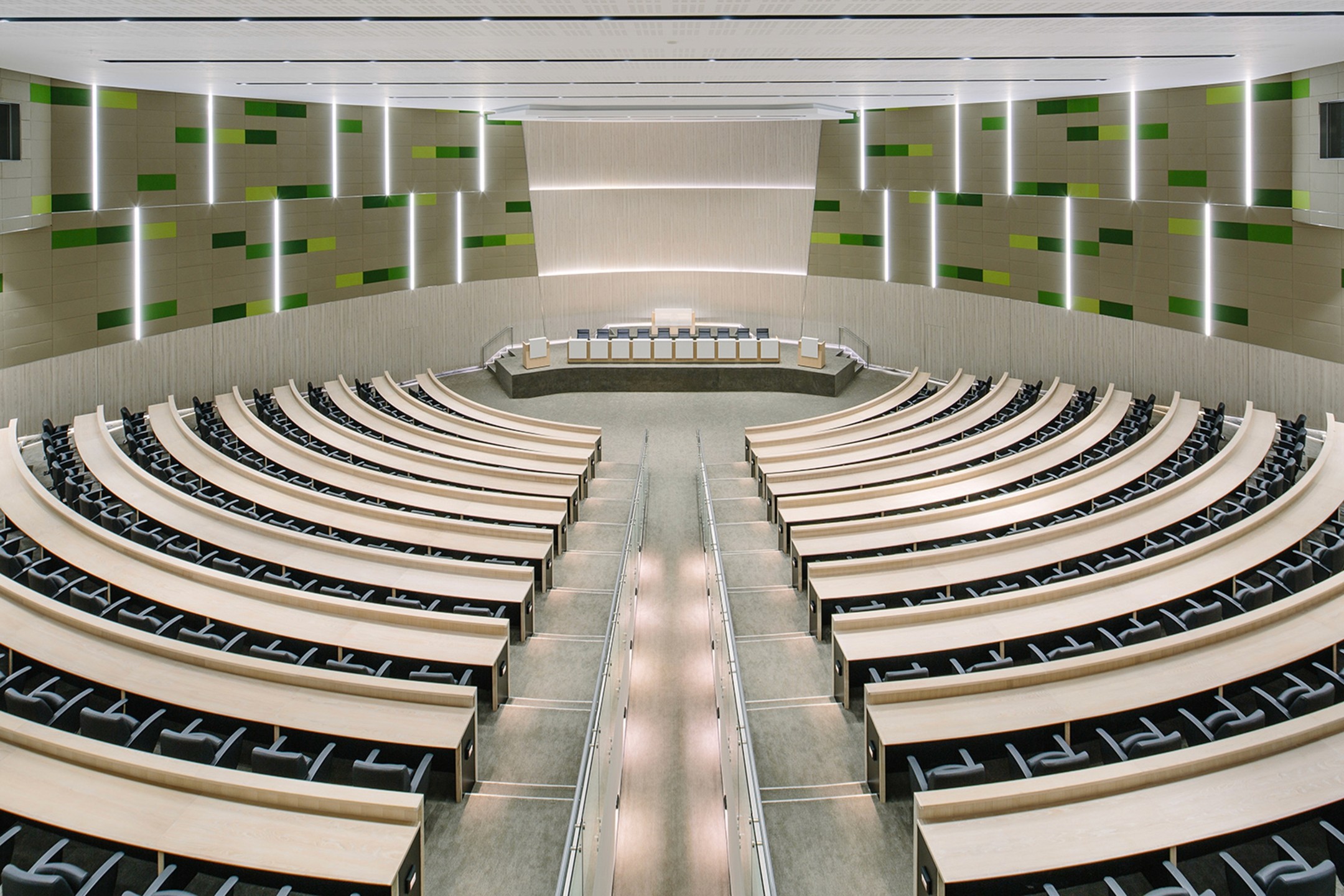
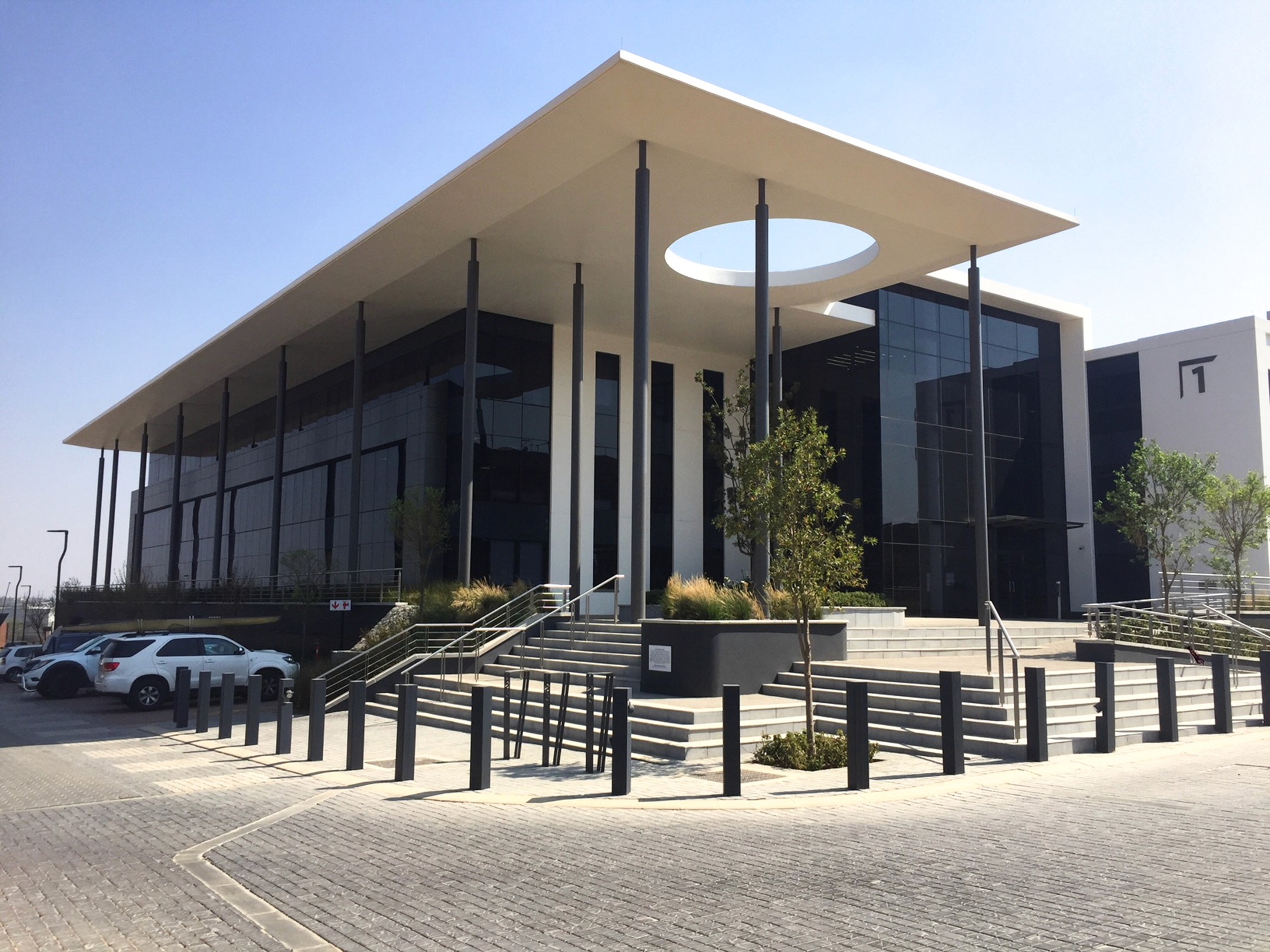
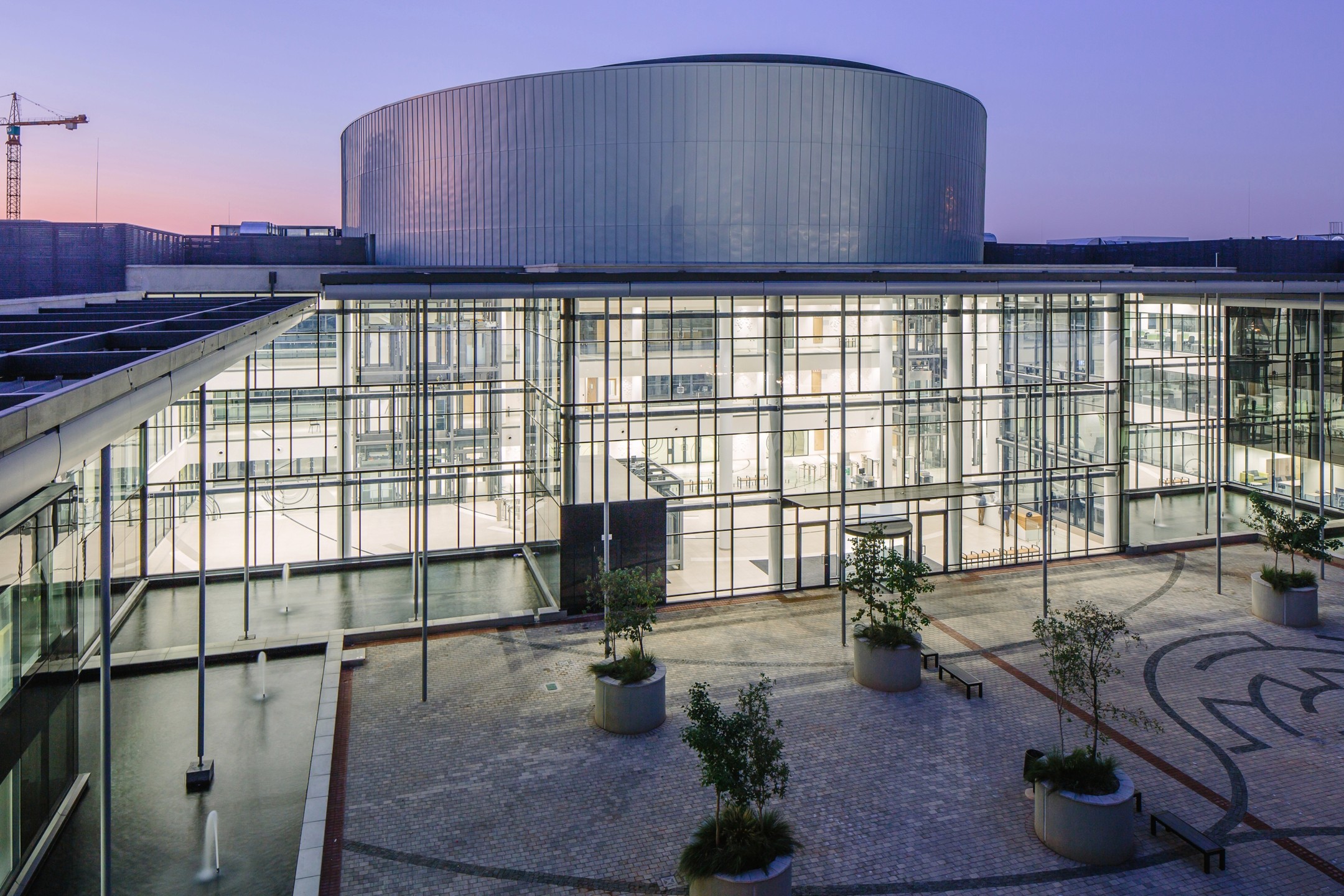
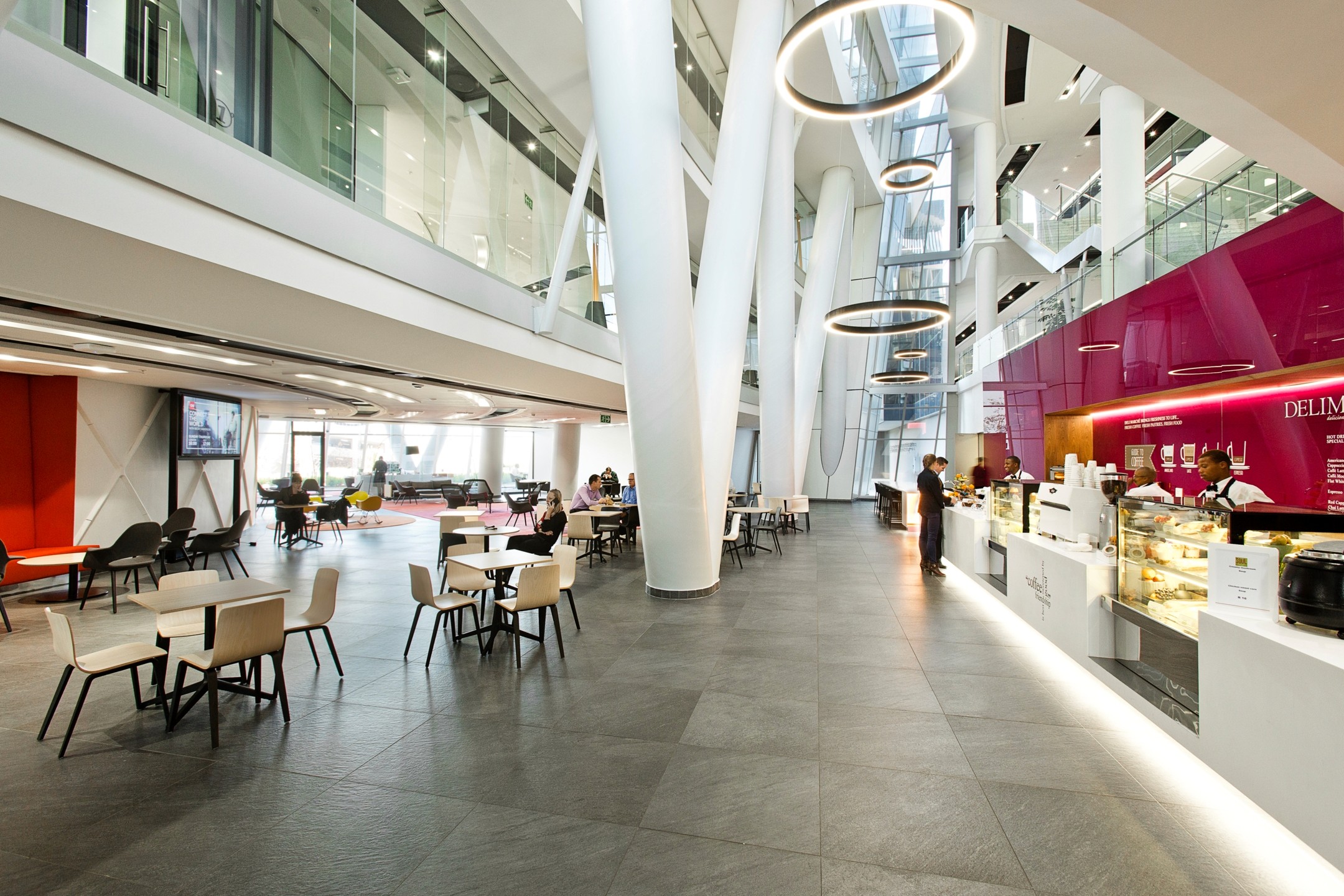
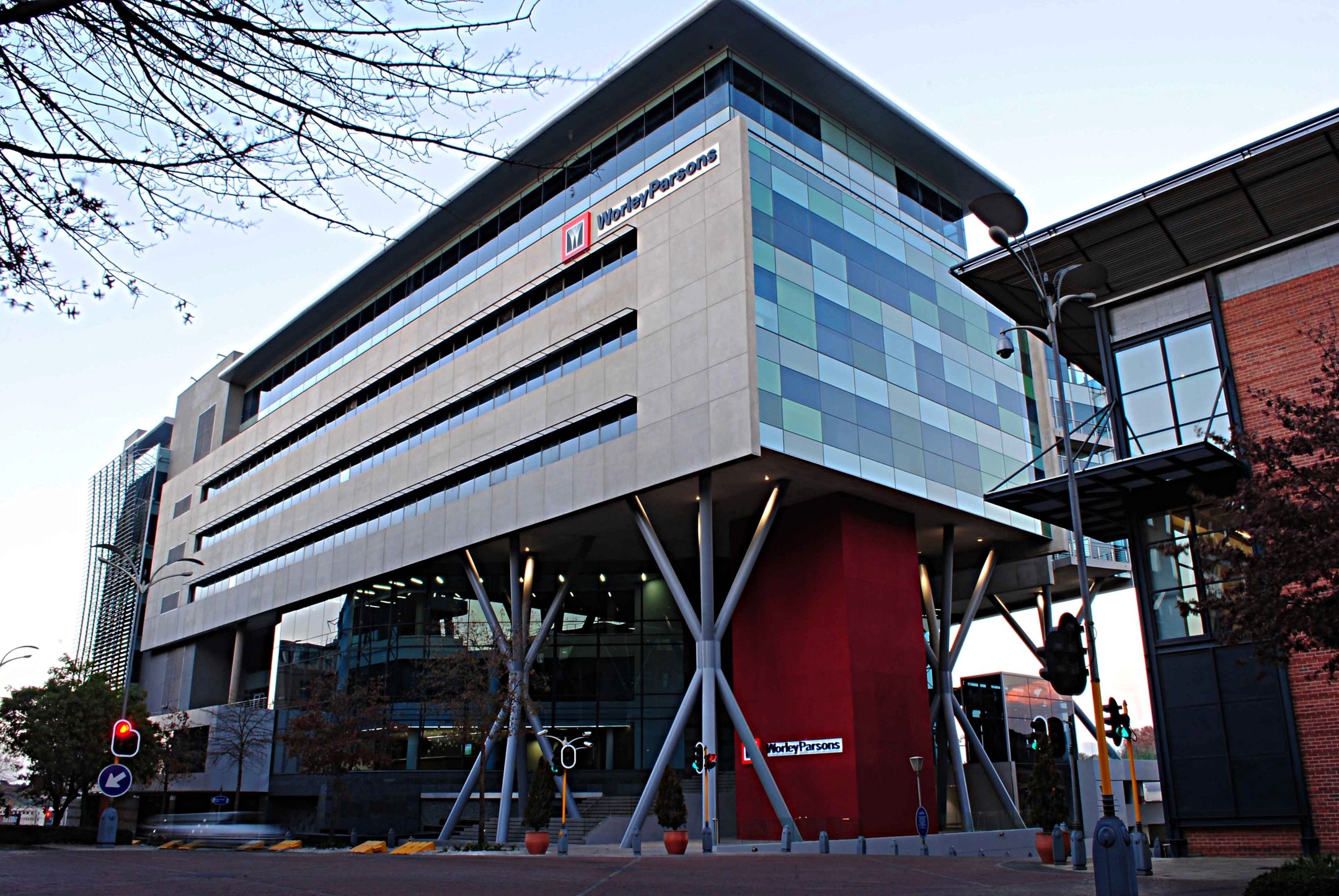
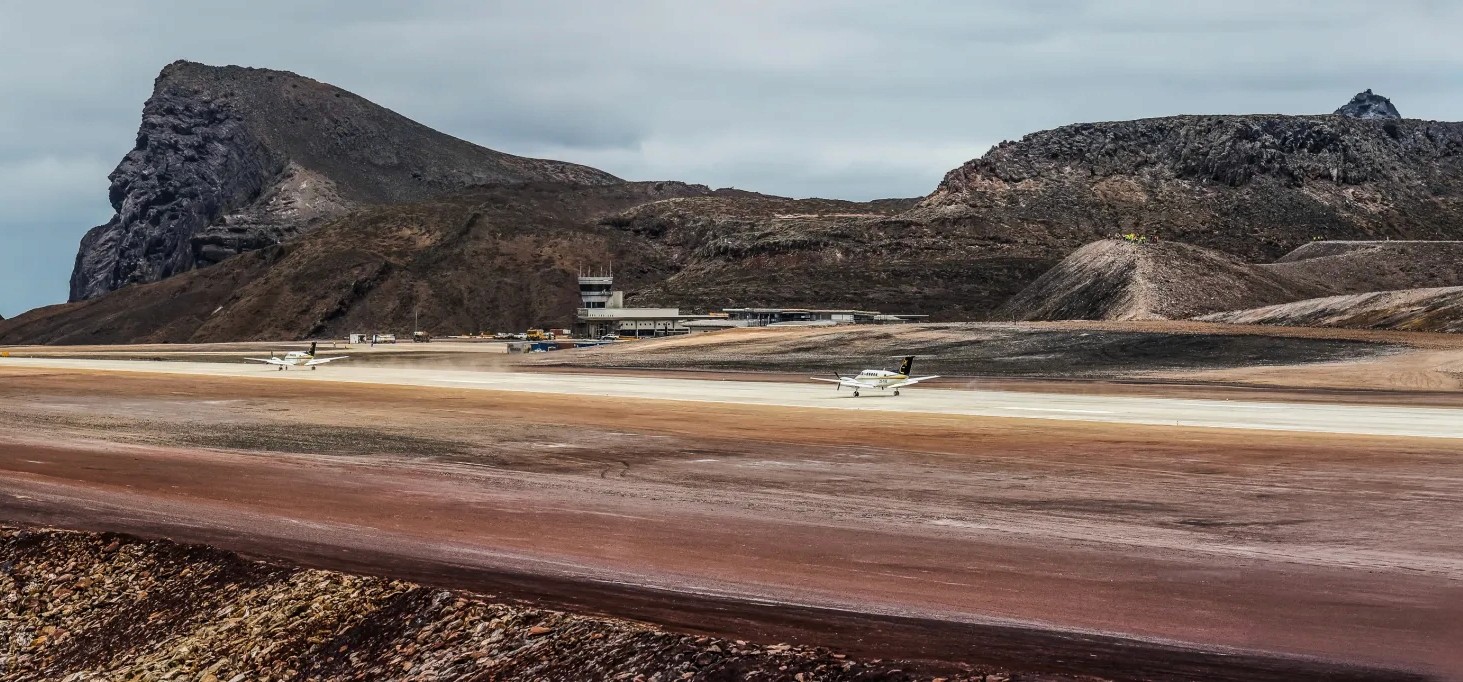
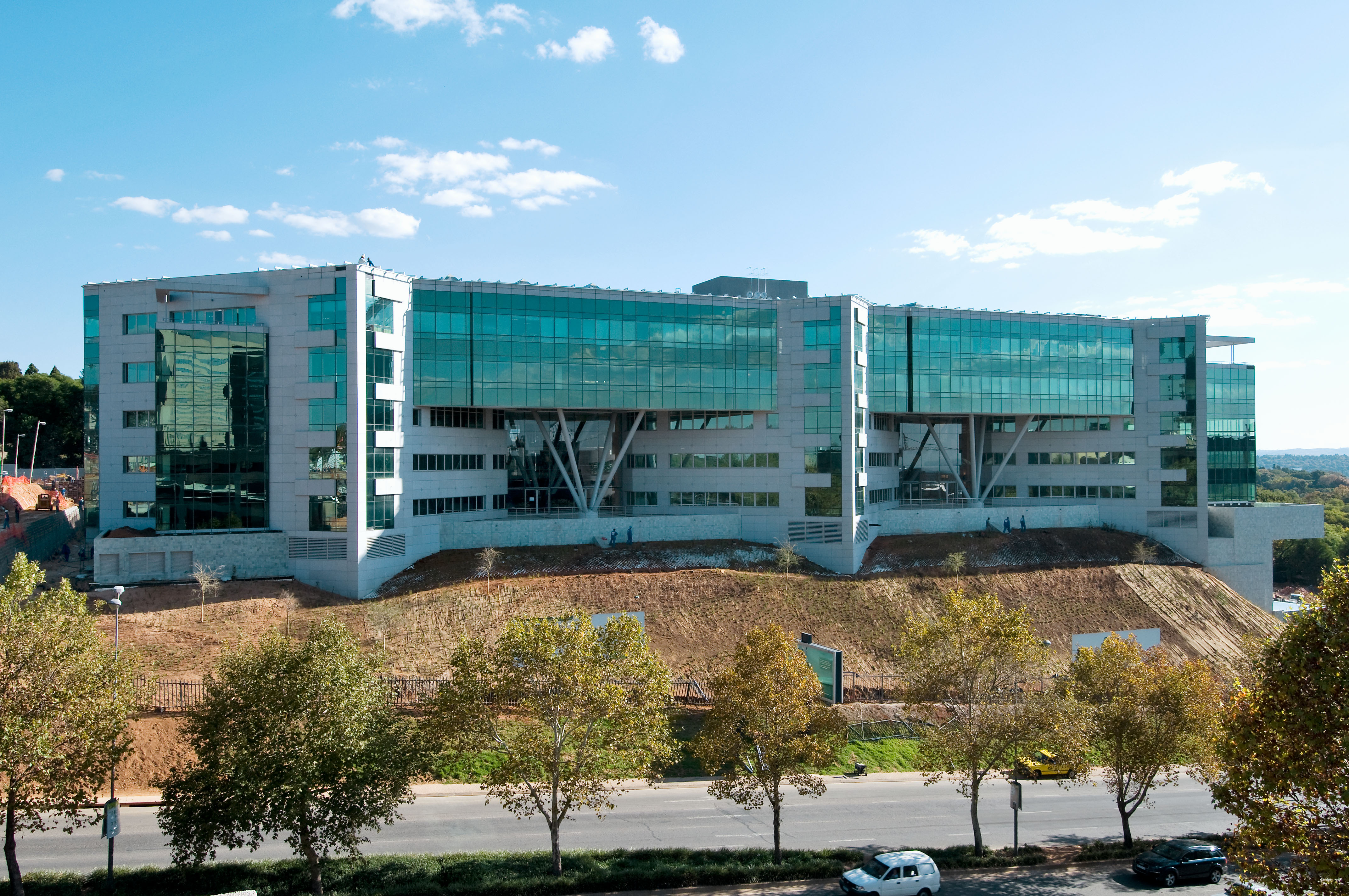
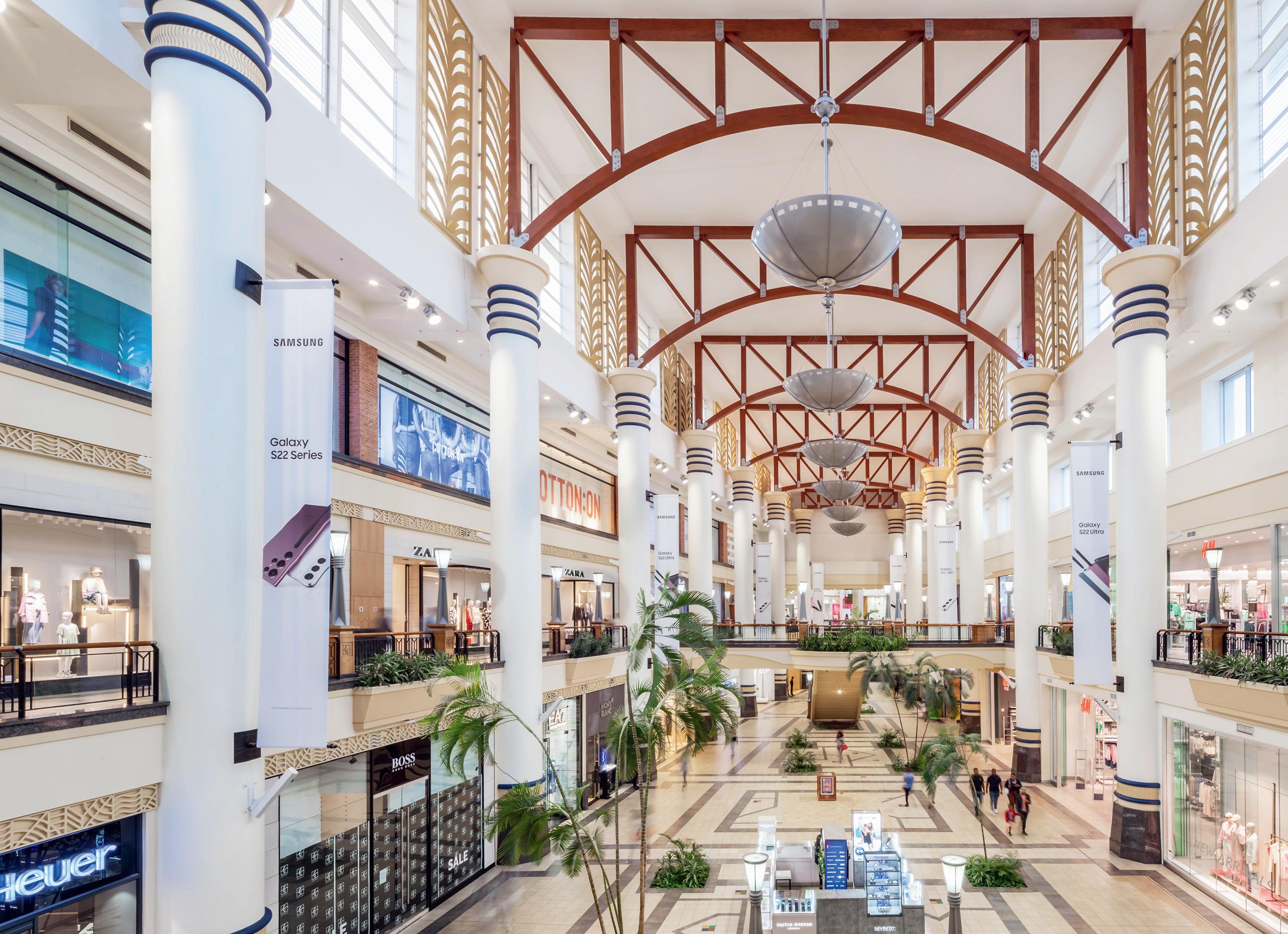
Featured architectural work.
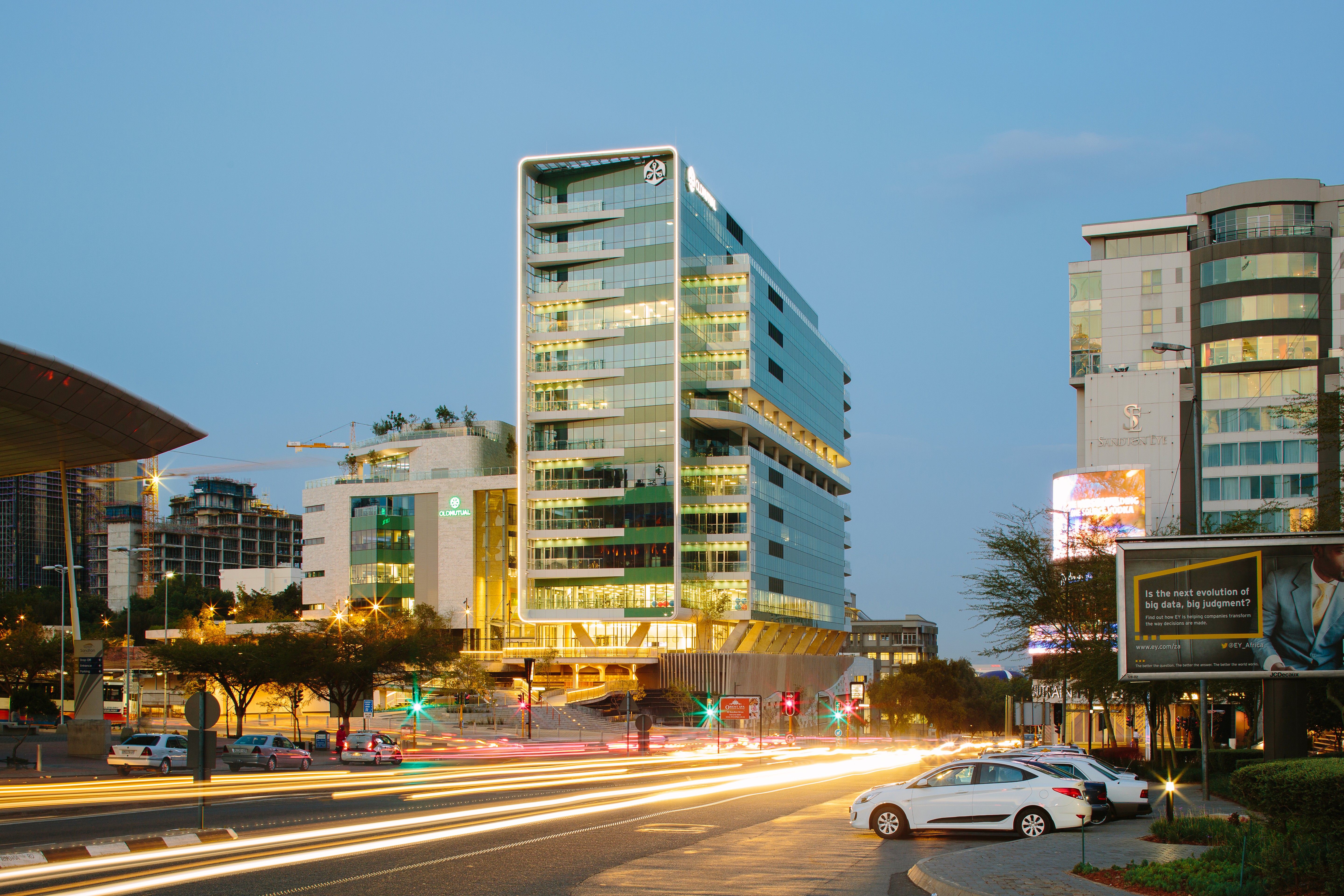
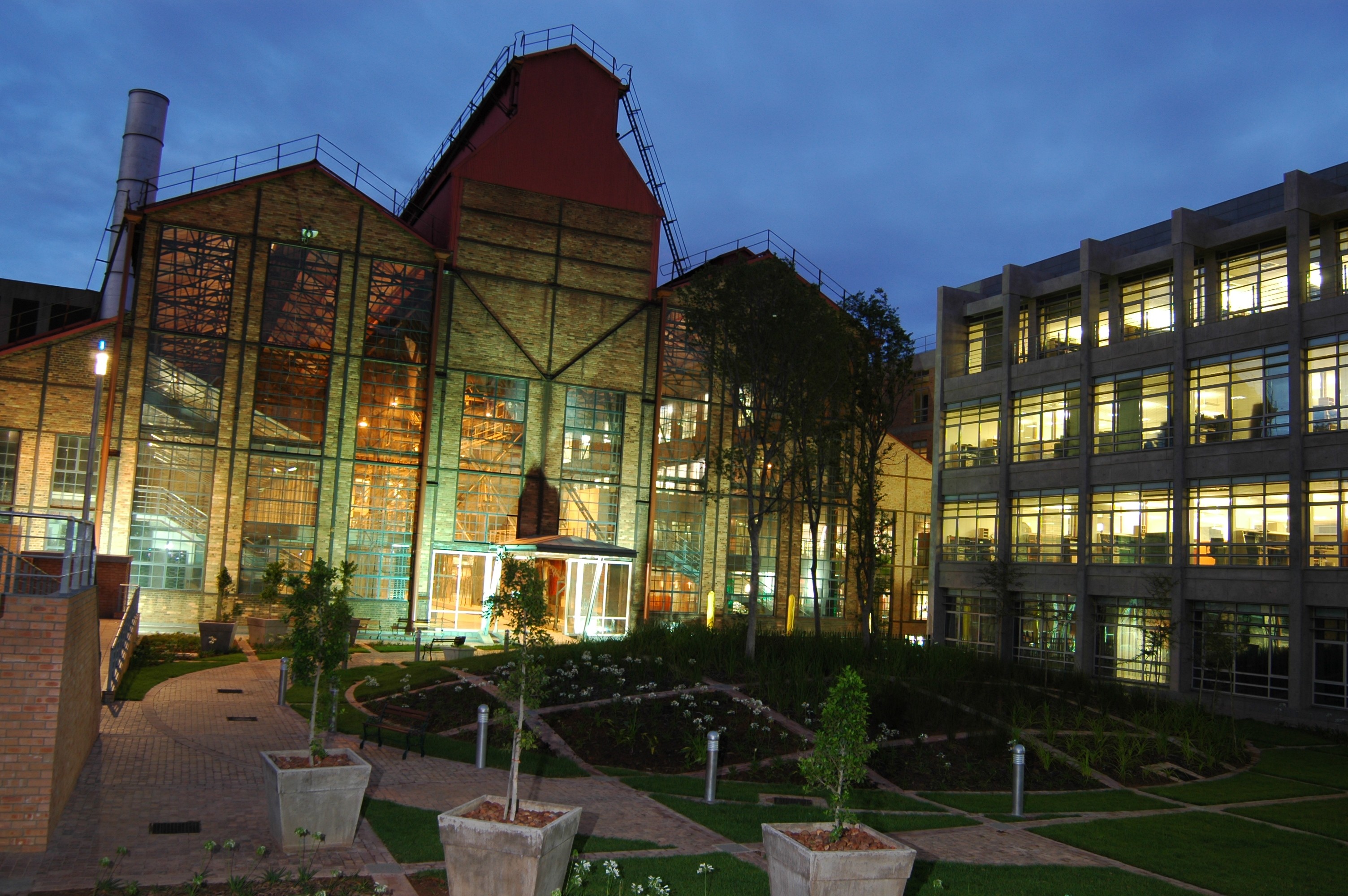
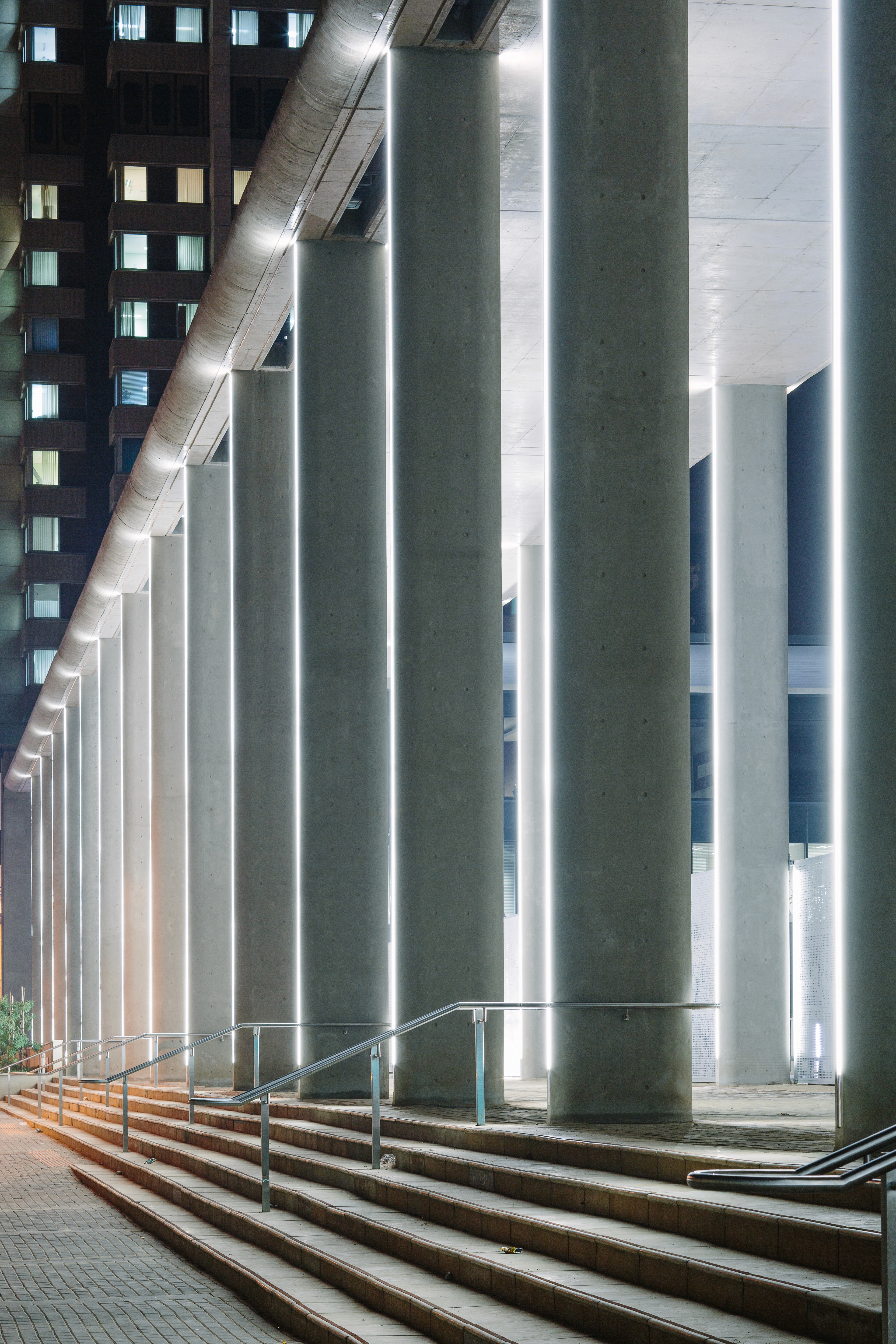
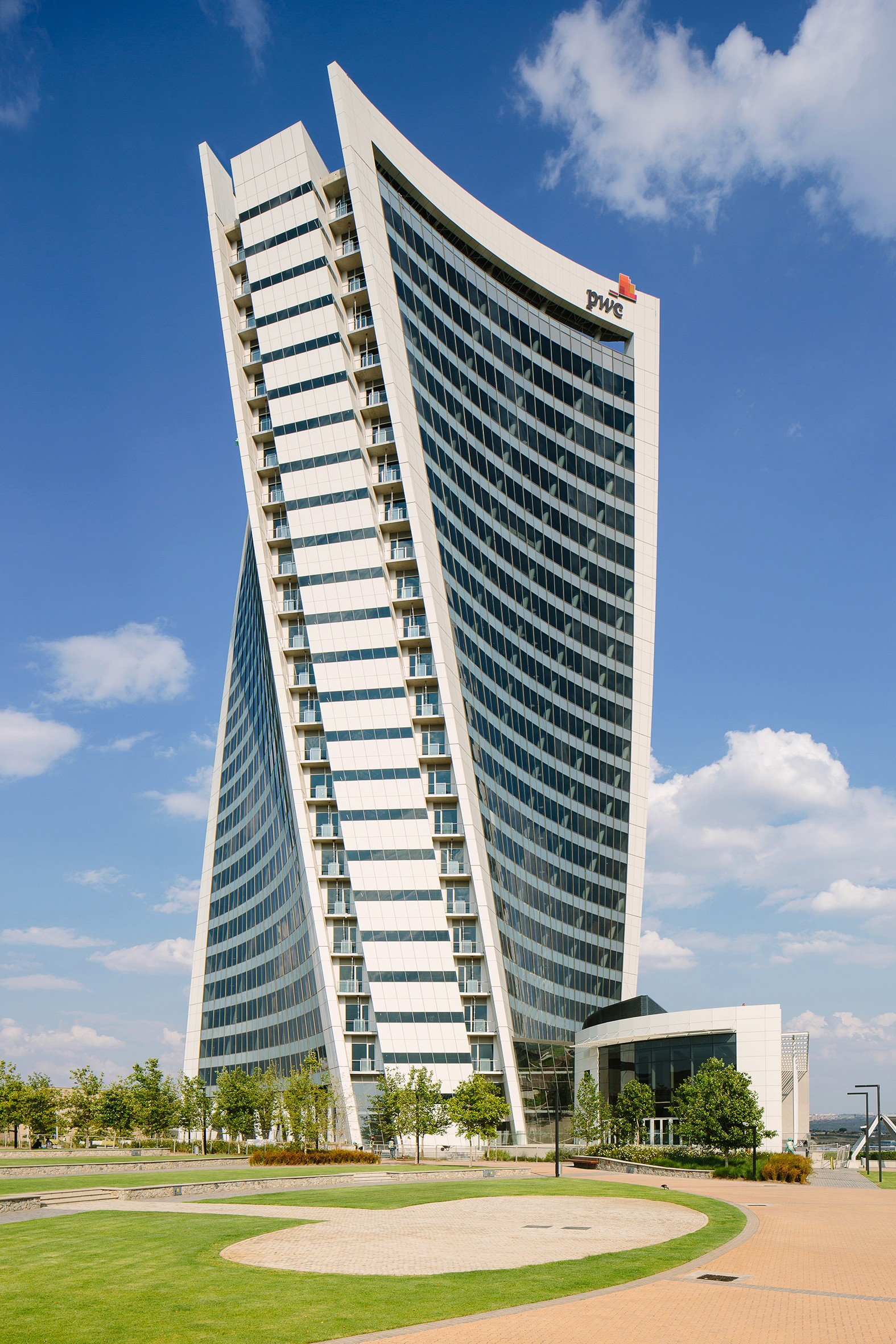
I worked as a professional architect from 1997 to 2021. I became a director of LYT architecture in 2010. With my contributions to the design and delivery of large commercial buildings, company grew to a staff number of over 100 by 2018. I designed and delivered numberous buildings in various sectors including offices, mixed use, airports, warehouses and high density housing.
Being an architect in a large commercial practice was both challenging and rewarding. Each commercial project differs in scale and complexity demanding creativity, technical rigour, and collaboration at every stage.
Seeing a project evolve from concept to completion - from the first sketch to a building that shapes how people live and work - is uniquely fulfilling. What makes this profession so meaningful is its lasting impact: creating environments that are functional, beautiful, and sustainable. Architecture allows us to combine design vision with environmental responsibility, leaving a legacy that enhances both place and people
Featured Passivhaus work.
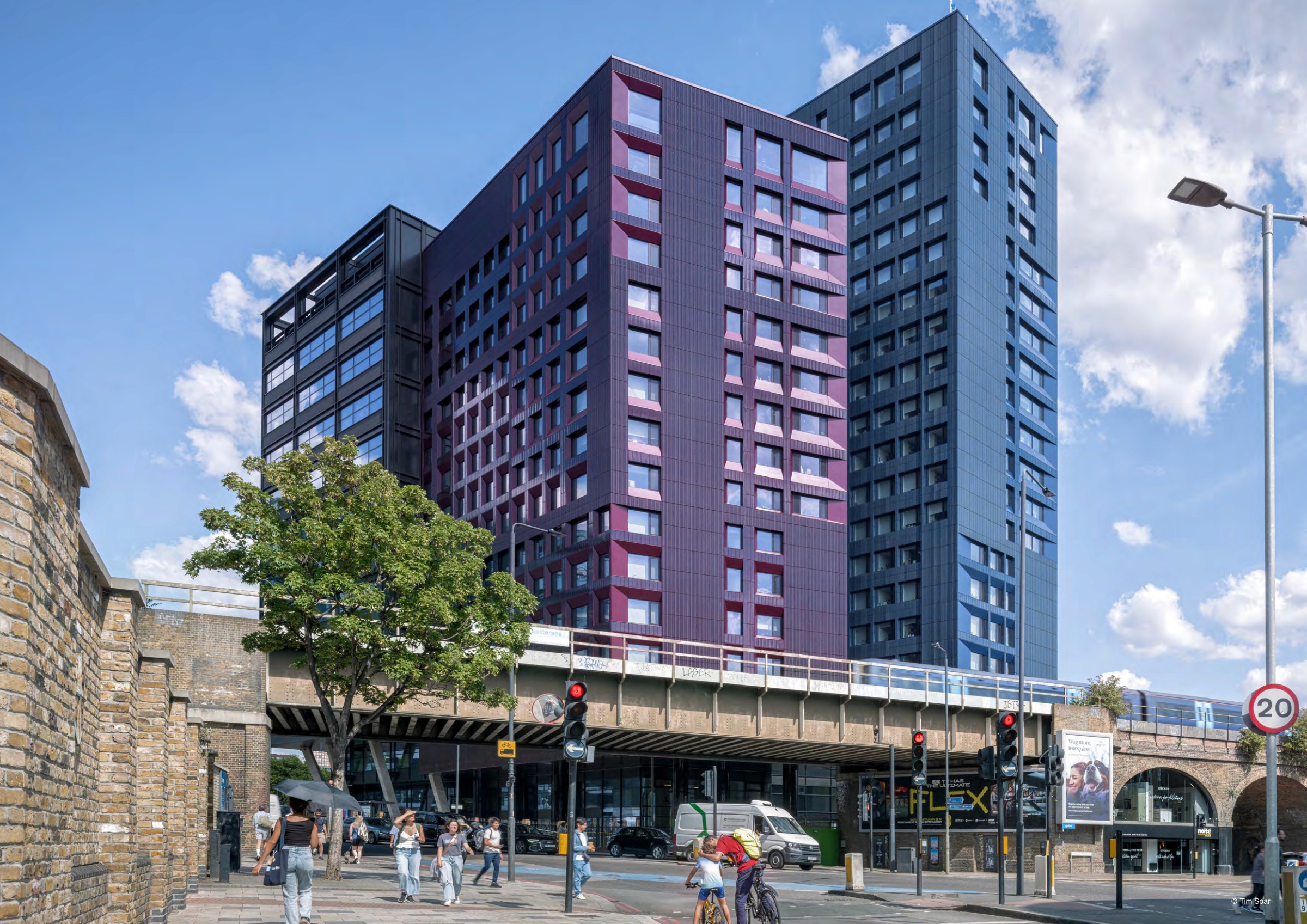
In 2021 after being frustrated with the architectural profession, I moved to the UK and embarked on a career direction focusing on truly sustainable architecture. The main vehicle for this was Passivhaus design. After completing a masters in Modern Building design I began working at Henriksen Studio with an emphasis on the building envelope. I became the lead in the Passivhaus division focussing on Passivhaus services for large and complex buildings.
For me, Passivhaus represents more than an energy standard - it is a commitment to designing buildings that truly perform. In a world facing climate and energy challenges, Passivhaus provides a proven, science-based methodology to drastically reduce energy use while delivering exceptional comfort, durability, and indoor air quality. It bridges the gap between design intent and real-world performance, ensuring that what is drawn on paper actually works in practice.
Working on large and complex buildings, I’ve seen firsthand how the Passivhaus approach brings clarity and precision to projects that might otherwise be energy-intensive and difficult to manage. By applying rigorous modelling, quality assurance, and attention to detail, we can achieve predictable, measurable performance at scale - buildings that are not just sustainable in name, but genuinely low-energy in operation. My most recent project, now the 8th largest certified Passivhaus building in the world, demonstrates what’s possible when ambition meets technical excellence.
Passivhaus matters because it proves that efficiency and comfort don’t have to be compromised, even in the most demanding building types. It’s the future of responsible design - and the benchmark I believe every large building should aspire to meet.